


Envirosafe Field Files
The Secret Under
the Old Mill House
Case 193 · Flint Mill village, Gastonia, NC
A homeowner in the Flint Mill village heard something ticking inside her floor at night. Her neighbor called it the ghost of the mill. The clues under a 1907 mill house told a different story, and it is the kind of case Encyclopedia Brown would have taken.
Listen to Case 193 · 5 min 48 sec
Narrated field report. Download the MP3
In 1907 Laban Forest Groves opened the Flint Manufacturing Company on the north side of Gastonia and stamped a flint arrowhead on every bale of yarn. It was a promise. Hard, sharp, and built to last. The mill made so much fine combed yarn that Gastonia came to call itself the combed yarn capital of the South, and around it rose the village: hundreds of small wooden houses on brick piers, built for the spinners, the doffers and the loom fixers.
The mill has been quiet for a long time. The big brick building is apartments now. But the village is still there. Same houses. Same piers. Same red clay underneath. And the old timers will tell you some of those houses still hear the mill.
The ghost in the back bedroom
The call came in on a Thursday. A homeowner in the Flint Mill village, and she sounded a little embarrassed to say it out loud.
Her back bedroom was acting strange. At night, when the house went quiet, she heard it. A faint dry ticking inside the floor, like a loom running somewhere far away. Her neighbor had a name for it. The ghost of the mill, still working the night shift.
And that was not all. The floor in that room had started to give, just a little, right in front of the closet. And every few days she swept up tiny crumbs of dirt along the baseboard. Nobody had tracked dirt in there. It just showed up.
She did not really believe in ghosts. But she wanted somebody to look.
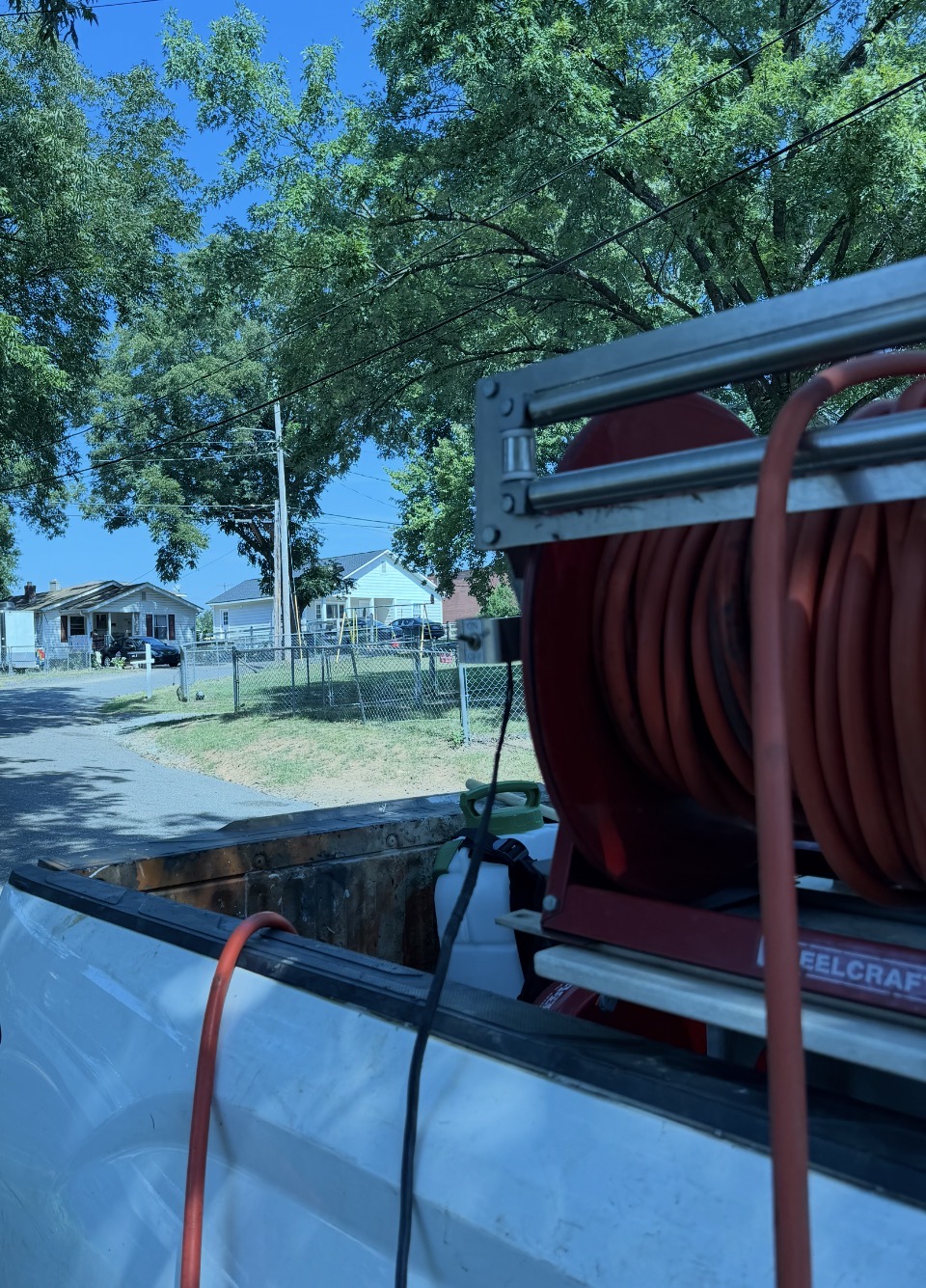
So Buddy Penley from Envirosafe grabbed his flashlight and headed for Flint Mill village.
Headquarters
Buddy looked at the house, then looked at the ground. Low. Flat. The kind of lot where rain does not leave in a hurry.
Around the side he found the crawl space door, and somebody years back had built a little lean-to over it. Rough planks, a post in the middle, a sheet of tin for a roof. It looked exactly like a kids' clubhouse. Encyclopedia Brown ran his detective agency out of the family garage. This one would have suited him fine.
Buddy ducked under the tin roof, opened the door, and clicked on the light.
Four clues, no termites in sight
A good detective reads the room before he touches anything. So before Buddy crawled one foot, he took inventory.
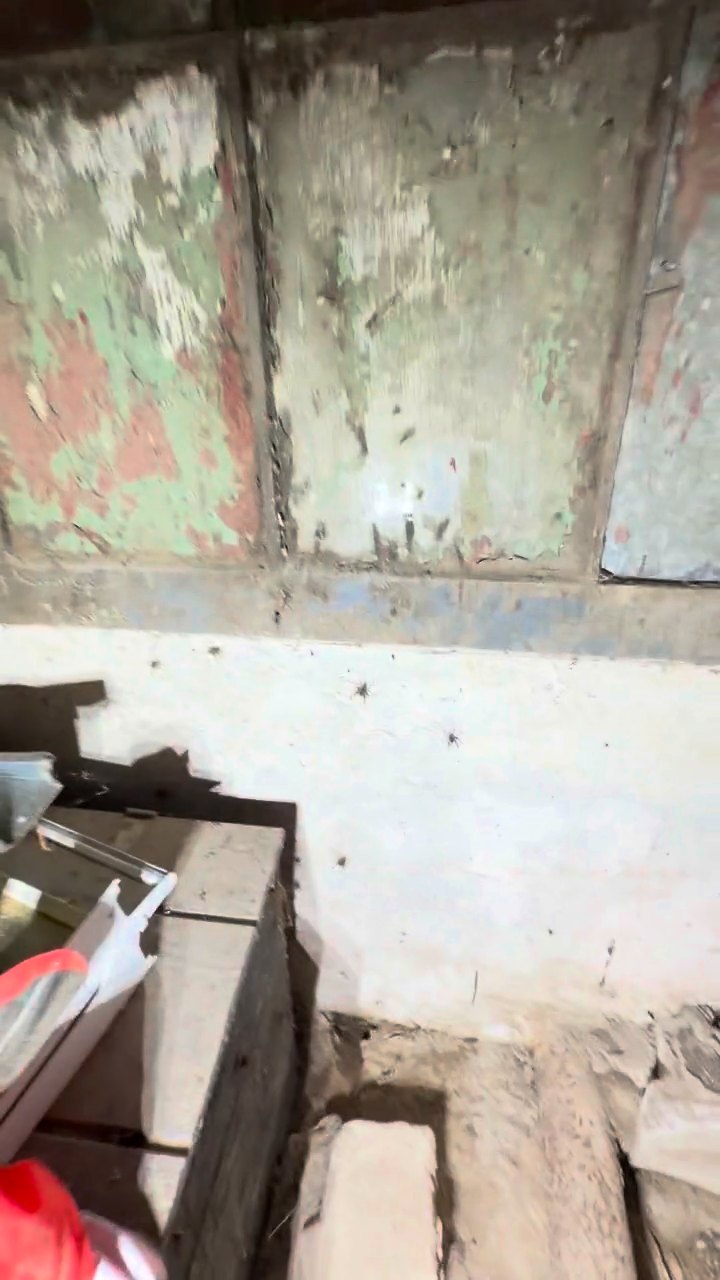
Clue one. A real glass window set into the foundation wall. Wooden frame, single pane of wavy old glass, still there after more than a century. That is how they vented crawl spaces in 1907. No screened vents, just glass and whatever air made it through. The air down there was heavy and damp.
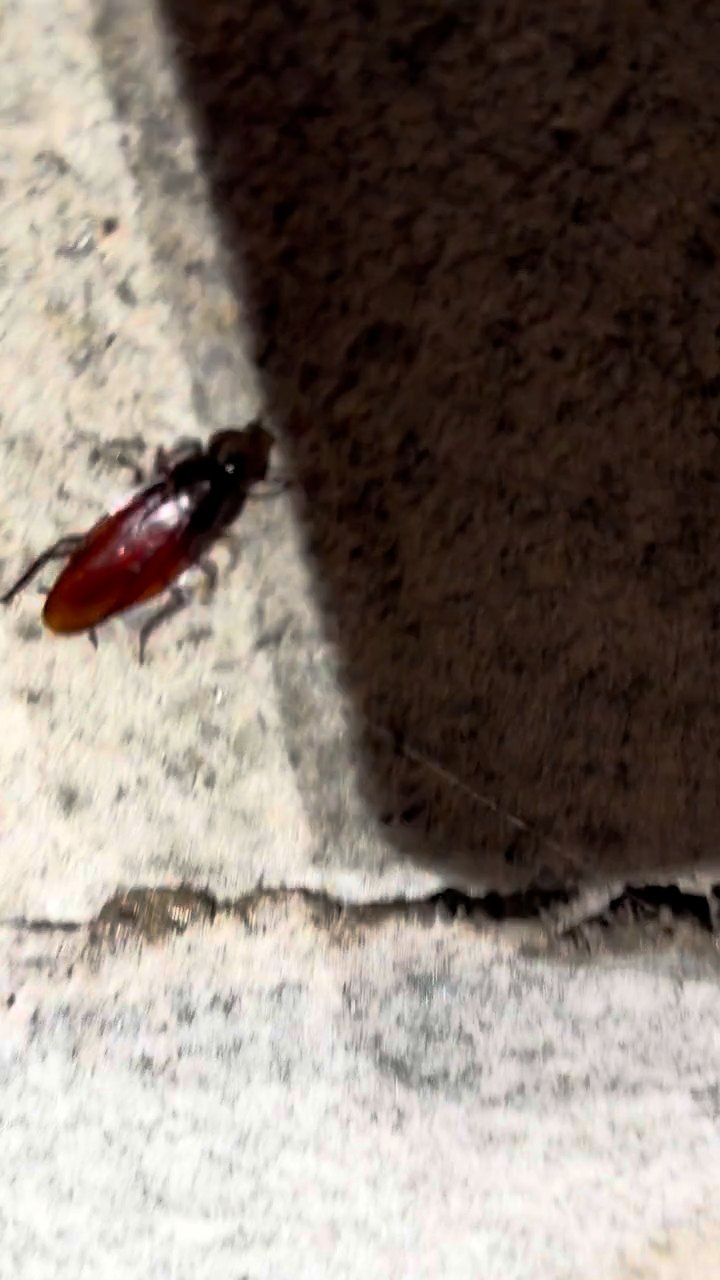
Clue two. Smokey brown roaches on the first pier, sitting in the flashlight beam like they owned the place. Big ones, glossy and dark. Smokey browns do not come for your kitchen. They come for wet ground and dark wood.
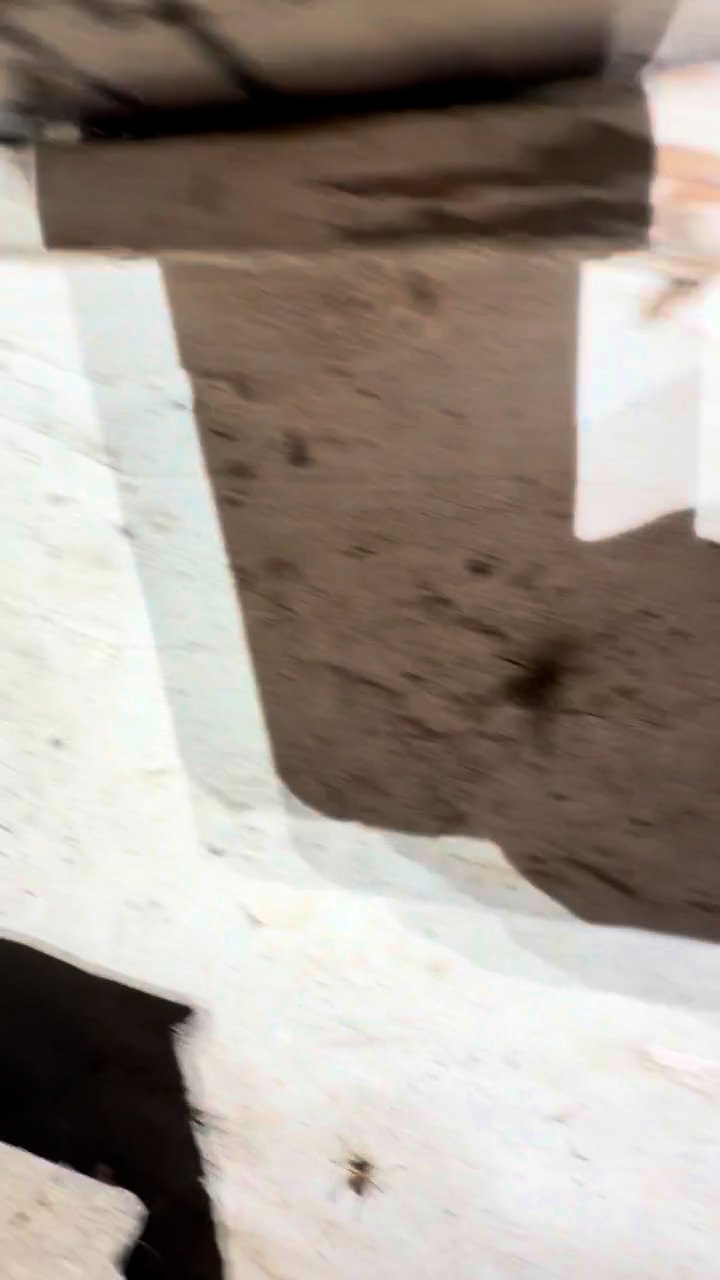
Clue three. Camel crickets on the block wall. Not two or three. Dozens. Humped up, long legged, springing off in every direction the second the light hit them. Camel crickets have one requirement in life. Moisture.
Clue four. What she told him on the phone. A ticking sound inside the floor at night. A soft spot in front of the closet. And little crumbs of dirt along the baseboard that nobody tracked in.
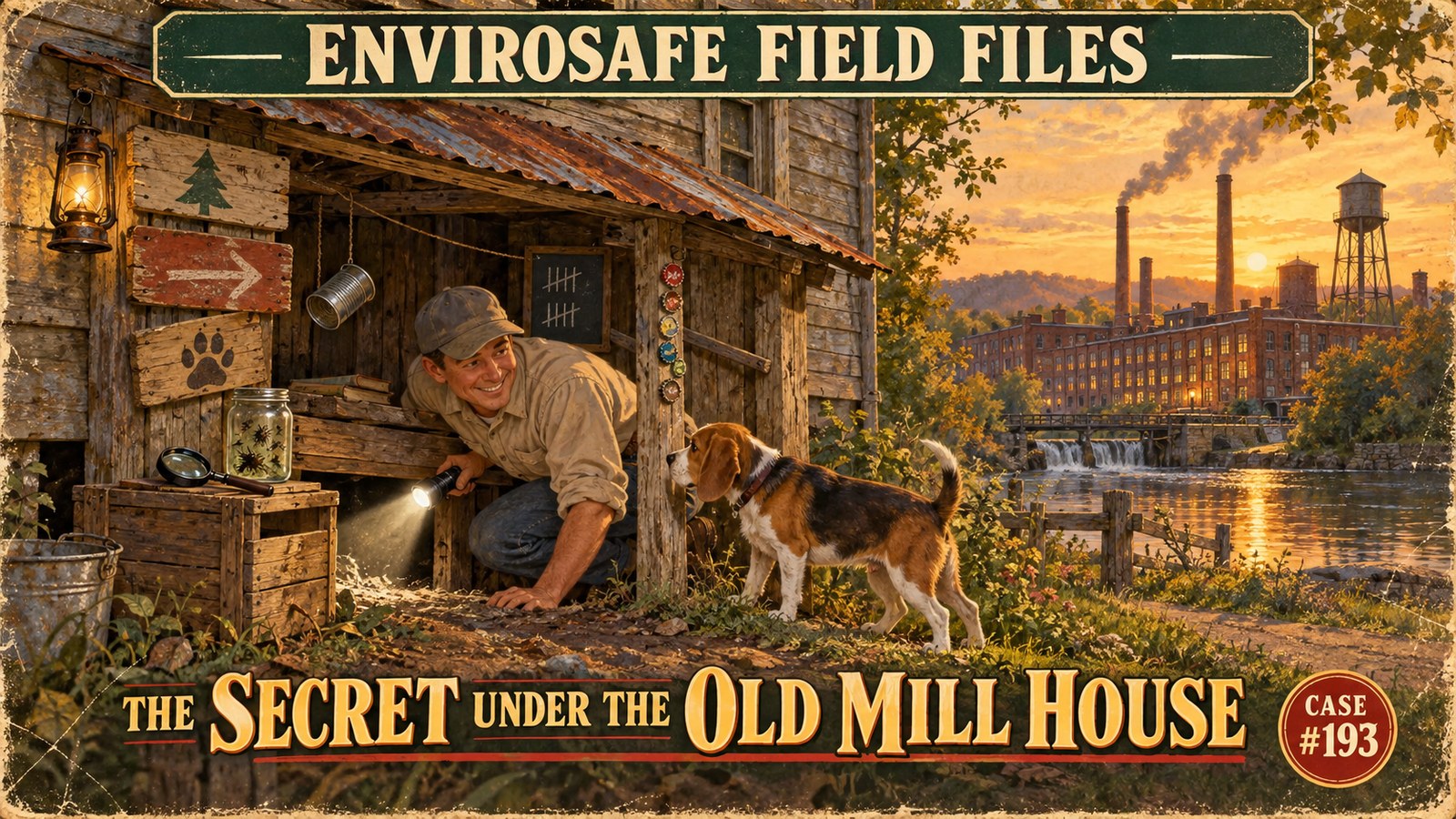
Buddy sat there a moment with the light on the piers. Then he smiled. He already knew what the ghost was, and exactly where to find it.
Here is where Encyclopedia Brown would close the book and turn to you. You have the same four clues Buddy had. What was the ghost of the mill, and where did he go to catch it? Solve it, then scroll.
The answer
The first three clues all said the same thing. Water. That crawl space had never been properly vented, so damp air had been sitting under the floor for a hundred years. The roaches and the crickets were not the problem. They were the witnesses. They only live where it stays wet. And subterranean termites need exactly the same thing: damp soil below and damp wood above.
The fourth clue told Buddy the rest. Termites cannot survive in open air, so they build tunnels out of mud to travel from the ground up into the wood. Those dirt crumbs on the baseboard were bits of their tunnels. And the ticking? That is the sound termite soldiers make when they bang their heads against the wood to warn the colony. In a quiet house at night, it sounds a lot like a far away loom.
So Buddy did not wander. He crawled straight to the pier under the back bedroom.
Unmasking the ghost
There it was, right where the clues said it would be. A thin line of packed mud running up the brick, straight and narrow like a pencil mark. A termite tunnel. Up the pier, over the sill, and out along the joist under the closet floor. The mud was still damp. That means it is not an old scar. That means somebody is home.
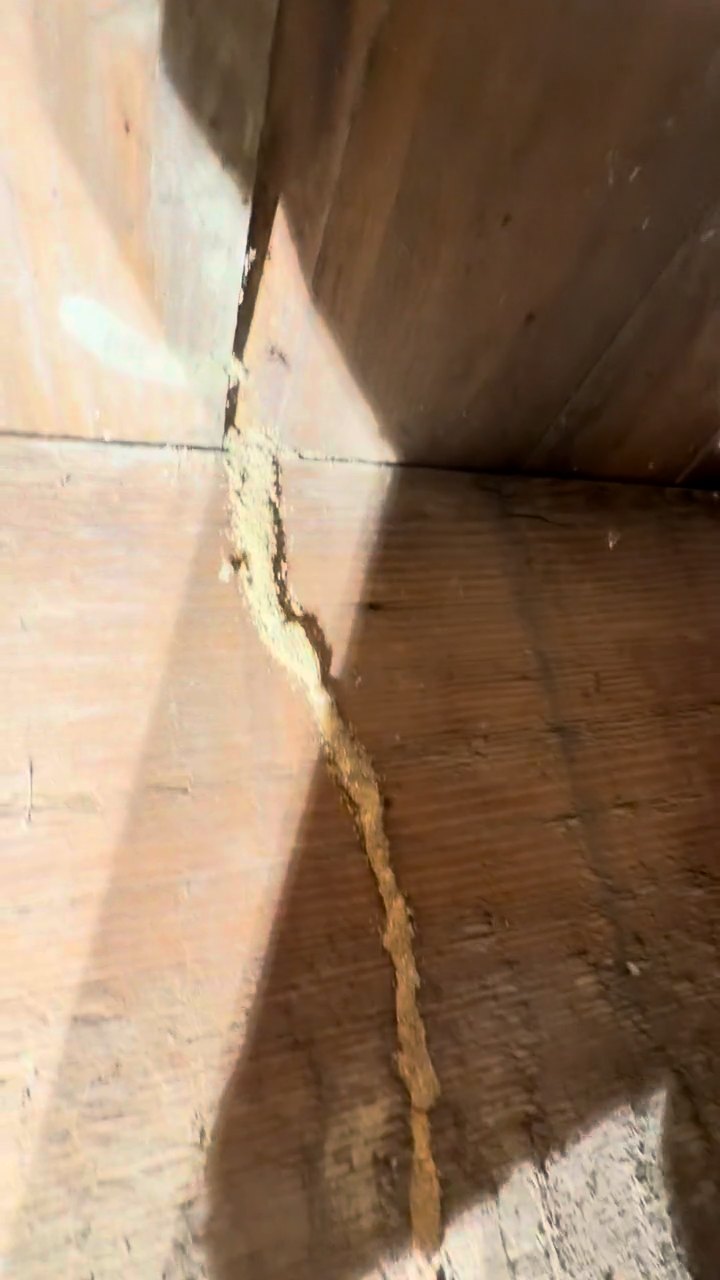
Buddy touched his probe to the tunnel and it crumbled open. Inside, pale and moving, were the workers. A live colony, eating its way through a house that had stood since the arrowhead was still fresh on the yarn.
Pull the mask off the ghost of the mill, and what do you find? Termites. It was termites all along.
What we did
A full termite treatment on the house, plus a moisture plan for the crawl space so the witnesses pack up and leave too. The ticking in the back bedroom is done for good. The homeowner laughed when Buddy told her. She was glad she trusted the feeling in the floor, even if the ghost turned out to have six legs.
If your house went up when the mill did, it is worth a look.
Flint Mill, Loray, Chronicle, Parkdale, Spencer Mountain: the mill villages of Gaston County are full of pier and beam houses over damp crawl spaces, and that is the exact ground subterranean termites want. An inspection costs you an hour. A colony costs you a floor.
Frequently Asked Questions
Do camel crickets or smokey brown roaches mean I have termites?
Not by themselves. They mean your crawl space is holding moisture, and a wet crawl space is the number one thing that invites subterranean termites. Treat them as a warning light, not a verdict, and get the crawl space inspected.
What does a termite mud tube look like?
A pencil width line of packed dirt running up a pier, a foundation wall or a plumbing pipe toward the wood. Damp tubes are active. Dry, crumbling tubes may be old, but they still mean termites have been there and the ground should be treated.
Why does an old crawl space have a glass window?
Mill houses from the early 1900s used small glazed windows in the foundation to let light and air under the house. They were never screened and were often painted shut, so the crawl space stayed damp for decades. Modern vents or a sealed and conditioned crawl space fix that.
How does a termite treatment work on a pier and beam house?
We treat the soil around the foundation and at every pier so termites cannot cross from the ground to the wood without contacting the treatment, and we address the moisture that drew them in.
Do you inspect mill village houses in Gastonia, Belmont and Mount Holly?
Yes. Termite inspections and treatment across Gaston County, Mecklenburg County and York County, SC. Call or text 704-860-2041.
Case 193. Closed.
Rodney Allman, Licensee · Envirosafe Pest Control, Belmont, NC · Get it handled, 704-860-2041 · The inspection notes on The Daily Crawl